
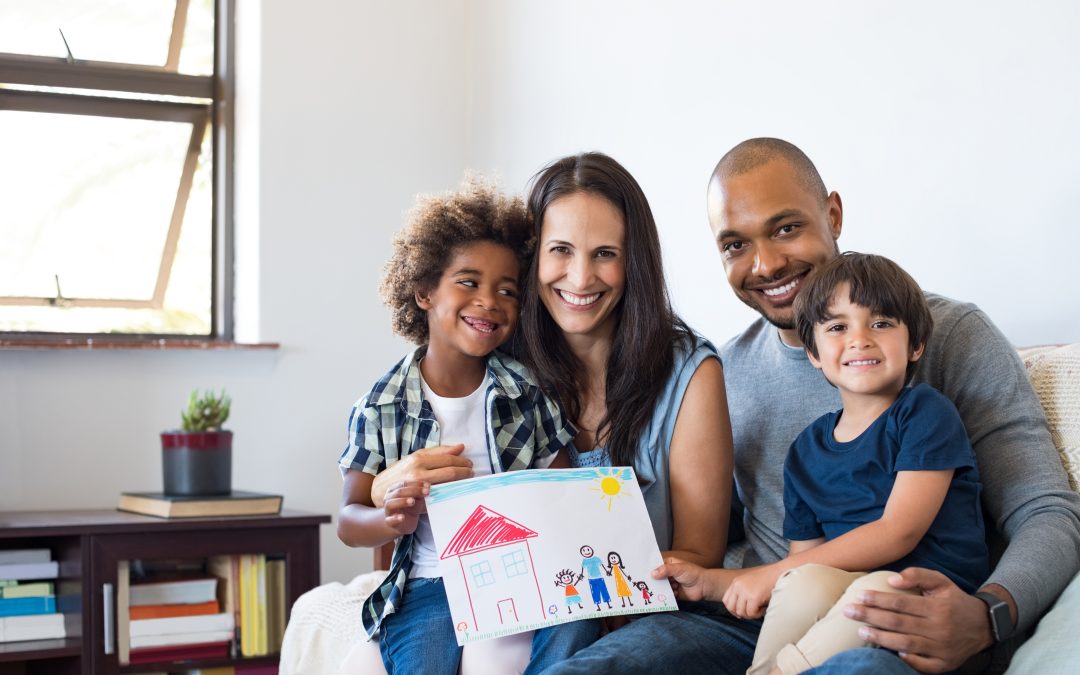
Adoption is one of the most meaningful ways a family can grow. While parents are often focused on paperwork, home studies, and legal hearings, children already in the home experience adoption in their own way. For them, adoption isn’t just a legal process, it’s a major emotional and relational shift.
Whether you’re welcoming a sibling through foster care, kinship adoption, or private adoption, preparing your children ahead of time is critical. When children feel heard, supported, and reassured, the entire family is more likely to thrive.
For Arizona families, this preparation goes hand-in-hand with understanding the legal side of adoption. Every adoption must be finalized in court, and the process varies depending on the type of adoption. Working with professionals, from counselors to an experienced Arizona adoption attorney, can give both parents and children the tools they need for a smoother transition.
Why Preparing Children Matters
Children thrive on predictability. Adoption, while joyful, can feel disruptive to their routines and their sense of identity. Preparing them serves several purposes:
- Reduces anxiety: Children fear the unknown. Clear explanations provide security.
- Builds positive anticipation: Framing adoption as an exciting journey encourages openness.
- Fosters sibling connection: Early conversations prevent resentment and encourage bonding.
- Clarifies adoption’s permanence: Children need to understand that adoption means forever.
Skipping preparation may lead to jealousy, acting out, or confusion about family roles. On the other hand, intentional preparation helps adoption feel like a shared family decision, not a sudden change.
Understanding Adoption Through a Child’s Eyes
Children often interpret adoption differently depending on their stage of development.
Toddlers and Preschoolers
Young children may not grasp the concept of adoption but will notice changes in attention and routine. What they need most is reassurance of continued love and stability.
Elementary-Age Children
At this stage, kids begin to ask big questions: Why is another child joining our family? Will you still love me the same? Honest answers, delivered gently, go a long way.
Preteens and Teens
Older children may struggle with identity and fairness. They may also feel protective of family dynamics or worry about what adoption means socially. Engaging them in meaningful conversations, and even decision-making, helps them feel respected and valued.
Age-Appropriate Ways to Talk About Adoption
- Toddlers: Keep it simple: “We’re bringing another child into our family because every child deserves a family.”
- Elementary kids: Use books, stories, and role play to explain adoption. Emphasize that love expands, it doesn’t divide.
- Teens: Have open, two-way conversations. Acknowledge that adoption changes family dynamics, and invite them to share their honest feelings.
Addressing Common Fears and Misconceptions
Children may not always voice their concerns. Parents can help by addressing common worries:
- “Will you still love me?”
Make it clear that your love isn’t split, it multiplies. Give tangible reassurance, like setting aside one-on-one time. - “What if we don’t get along?”
Remind them that all siblings need time to adjust, and relationships grow stronger with patience. - “Why can’t the child stay with their birth family?”
Offer age-appropriate truths. For example: “Sometimes birth parents can’t provide the care a child needs, so we step in to help.” - “What if they leave?”
In foster-to-adopt situations, children may fear disruption. Be honest about the process, but emphasize the stability your family offers.
Practical Steps to Help Children Adjust
1. Involve Them Early
Bring children into conversations before decisions are finalized. This makes them feel like participants rather than bystanders.
2. Give Them Roles
Let them choose a toy, decorate a room, or help plan a welcome activity. Ownership eases adjustment.
3. Keep Routines Consistent
Mealtime, bedtime, and school routines should remain steady. Familiarity provides security.
4. Offer Safe Spaces for Expression
Some kids need words, others draw, write, or act out feelings. Encourage all forms of expression.
5. Celebrate Together
Mark milestones, like the day of placement or finalization, with family rituals. Shared celebration helps children feel part of something meaningful.
Special Considerations in Kinship Adoptions
Relative or kinship adoptions are common in Arizona. These can be uniquely complex for children:
- They may already know the child being adopted.
- They might struggle with shifting roles (a cousin becoming a sibling, for example).
- They may have ongoing contact with birth parents, which requires careful explanation.
In these cases, it’s especially important to work with a qualified adoption attorney to clarify legal guardianship and adoption status. Legal certainty reinforces emotional security.
Strengthening Sibling Bonds
Building sibling relationships after adoption is a process, not an instant result. Parents can encourage healthy connections by:
- Setting aside special time for each child to feel individually valued.
- Modeling kindness, patience, and teamwork.
- Encouraging shared activities, chores, games, or outings, that foster cooperation.
Acknowledging both successes and struggles openly, so no child feels invisible.
Professional and Community Resources
Parents don’t have to handle this transition alone. Arizona families can benefit from:
- Adoption support groups: Connecting with other families helps normalize the experience.
- Therapists and counselors: Specializing in adoption and attachment issues, they provide tools for communication.
- Adoption attorneys: Beyond handling paperwork, attorneys ensure that the legal process doesn’t create unnecessary stress for parents and children.
By delegating the legal complexities to professionals, parents free up emotional bandwidth to focus on preparing their children.
Frequently Asked Questions
How early should I talk to my children about adoption?
As soon as adoption becomes a serious option. Children need time to process and ask questions.
What if my child resists the idea of adoption?
Resistance is normal. Don’t dismiss their feelings. Listen, validate, and revisit the conversation gently over time.
Should I tell my children details about the adopted child’s birth family?
Keep explanations age-appropriate. Share what’s necessary for understanding, while respecting privacy and sensitivity.
Do children need counseling during adoption?
Not always, but counseling can be valuable if children struggle with jealousy, anxiety, or confusion.
Can an attorney really help with the emotional side of adoption?
Yes, by handling court filings, hearings, and consents, attorneys give families the peace of mind to focus on relationships and emotional preparation.
Final Thoughts
Preparing children for an adoption in the family is about far more than managing logistics. It’s about protecting relationships, building security, and laying a foundation for lifelong bonds.
When children feel safe, informed, and included, they adapt more smoothly. With intentional preparation, professional support, and legal guidance, Arizona families can navigate adoption in a way that strengthens every member of the family.
Adoption is not just a legal event, it’s the start of a new chapter. Preparing your children well ensures that chapter begins with love, trust, and unity.
How Stuart & Blackwell Supports Arizona Families
At Stuart & Blackwell, we know adoption isn’t just about paperwork — it’s about building families. Our attorneys have decades of experience guiding parents through the Arizona adoption process with both precision and compassion.
From the first consultation to the final court hearing, our team ensures your adoption is handled with care, compliance, and unwavering advocacy.
If you’re preparing your children for adoption and want the confidence that every legal detail is secure, contact Stuart & Blackwell today. Our mission is to take the stress off your shoulders so you can focus on what matters most… welcoming a new member into your family.