
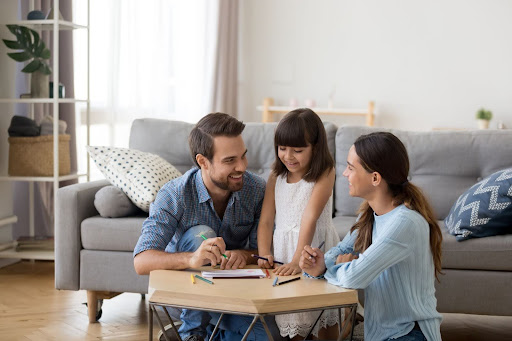
Adopting a child is a profound and joyous event that requires thoughtful preparation, especially when integrating an adopted child into a family with biological children. Here are some tips and strategies to help your family prepare for this significant transition.
Open Communication
Discuss the Decision: Engage in open and honest conversations with your family about the decision to adopt. Explain why you want to adopt and how it affects family dynamics. Ensure that everyone understands and supports the decision.
Answer Questions: Be prepared to answer questions from your biological children. They may have concerns about sharing their parents’ attention, changes in family routines, or their role as older siblings. Address their fears and reassure them about their importance in the family.
Ongoing Dialogue: Maintain an ongoing dialogue throughout the adoption process. Keep your children informed about the stages of adoption and what to expect when the new sibling arrives. This helps reduce anxiety and makes them feel involved.
Educate Your Family
Learn About Adoption: Educate your family about adoption by reading books, watching videos, and attending workshops. Understanding the adoption process and the challenges adopted children might face can foster empathy and preparedness.
Cultural Sensitivity: If you are adopting a child from a different cultural background, learn about their culture, traditions, and language. Encourage your children to embrace and celebrate the new sibling’s heritage. Resources like Child Welfare Information Gateway can be helpful.
Professional Guidance: Consider seeking guidance from adoption counselors or therapists who can provide valuable insights and support during the transition. They can help address any emotional or psychological concerns your family may have.
Preparing Your Home
Create a Welcoming Environment: Prepare your home as a welcoming and safe space for the adopted child. Set up their room with age-appropriate furniture, toys, and personal touches that reflect their personality and interests.
Family Activities: Plan family activities that promote bonding and help the adopted child feel included. Simple activities like family dinners, game nights, or outings can strengthen family ties.
Routines and Structure: Establish routines and structure in your home. Predictable schedules can provide a sense of security and stability for the adopted child, helping them adjust to their new environment.
Emotional Preparation
Empathy and Patience: Adopting a child can be an emotional journey. Practice empathy and patience as your family adjusts to the new dynamics. Understand that the adopted child may have experienced trauma or loss, and they may need time to build trust and feel secure.
Support Networks: Build a support network of friends, family, and adoption support groups. Connecting with other adoptive families can provide valuable advice and emotional support. Organizations such as North American Council on Adoptable Children offer resources and support.
Self-Care: Remember to take care of yourself as well. Adoption can be stressful, and it’s essential to manage your well-being to be fully present for your family.
Involving Biological Children
Role Modeling: Encourage your biological children to be role models for their new sibling. Teach them to be patient, kind, and understanding. Praise positive interactions and address any conflicts constructively.
Shared Responsibilities: Assign age-appropriate responsibilities to your biological children, such as helping with daily routines or assisting with the adopted child’s activities. This fosters a sense of teamwork and involvement.
Individual Attention: Ensure your biological children receive personal attention and reassurance of their unique place in the family. Schedule one-on-one time with each child to strengthen your bond.
Addressing Challenges
Behavioral Issues: Be prepared for potential behavioral issues as the adopted child adjusts to their new environment. Work with adoption professionals to develop strategies for addressing these challenges effectively. The American Academy of Pediatrics provides resources on managing behavioral health in adopted children.
Sibling Rivalry: Address sibling rivalry promptly and fairly. Encourage open communication and teach conflict resolution skills. Reinforce the importance of family unity and support.
Celebrating Milestones: Celebrate the milestones and achievements of all your biological and adopted children. Recognizing and celebrating each child’s progress fosters a positive family environment.
Legal and Practical Considerations
Legal Documentation: Ensure all legal documentation is in place. This includes the adoption decree, amended birth certificate, and any other necessary legal documents. The Arizona Department of Child Safety provides detailed information on the legal requirements for adoption in Arizona.
Financial Planning: Understand the financial implications of adoption, including adoption fees, legal costs, and potential travel expenses. Look into financial assistance programs, tax credits, and employer benefits that may help offset these costs. The Adoption Tax Credit can provide significant financial relief.
Health Care: Ensure the adopted child has access to necessary health care services. This includes physical examinations, vaccinations, and any required therapy or counseling. Familiarize yourself with the child’s medical history and any ongoing health needs.
Post-Adoption Support
Continued Counseling: Post-adoption counseling can help the entire family adjust to the new dynamics. Many adoption agencies offer post-adoption services that include counseling and support groups. The Child Welfare Information Gateway is a valuable resource for finding post-adoption support services.
Educational Resources: Utilize educational resources to help your family navigate the adoption journey. Books, online courses, and workshops can provide ongoing education and support. Websites like Adoptive Families offer a wealth of information on various aspects of adoption.
Community Involvement: Engage with your local adoption community. Participating in events, support groups, and community activities can help your family connect with others who share similar experiences. This sense of community can be incredibly beneficial for both the adoptive and biological children.
Conclusion
Preparing your family for adoption in Arizona involves open communication, education, emotional readiness, and practical preparations. Fostering a supportive and inclusive environment can ensure a smooth transition and create a loving, united family. For further assistance and resources, contact us to learn how we can support you through your adoption journey.